 Home
Home睿能全成型
全成型无缝针织由一根或数跟纱线,用针织横机一次性编织出整件毛衫产品,整体线条优美、流畅,上身更柔软、舒适、轻盈
 400-0898-188
 Subsidiary Of The Group
In the vast ocean of Islamic nasheeds (Islamic vocal music), few songs have transcended language barriers to become a universal call of love and longing. One such masterpiece is the Qasida (poem) "Ummati Qad Laha Fajrun" — often translated as "My Ummah, Its Dawn Has Appeared."
For millions of Muslims worldwide, searching for the is not just about downloading a track; it is about seeking a spiritual experience. This article delves deep into the origins, meaning, global impact, and the best ways to access high-quality MP3 versions of this iconic nasheed. The Origin and Historical Context The poem "Ummati Qad Laha Fajrun" is attributed to the famous 13th-century Egyptian poet and mystic, Imam Al-Busiri (1211–1294 CE). Imam Al-Busiri is most renowned for his Qasida al-Burda (The Poem of the Mantle), which is recited worldwide. "Ummati Qad Laha Fajrun" is believed to be a fragment or a separate composition that echoes the same themes of hope, sorrow, and unwavering love for Prophet Muhammad (PBUH).
As the world grows darker with global crises, the search for this nasheed increases. It serves as a musical Fajr — a reminder that no matter how long the night, the dawn of mercy and guidance is always near. Have you downloaded your high-quality MP3 version yet? Start your morning tomorrow with "Ummati Qad Laha Fajrun" and feel the difference in your spiritual energy. Share this article with a friend who needs a spiritual boost. Disclaimer: This article is for informational and spiritual enrichment purposes. Please support official artists and reciters where possible.


Integrating process design, image processing, pattern design with various modules, this product can improve working efficiency from customer order to data generation and offer advanced drawing software for the textile industry.

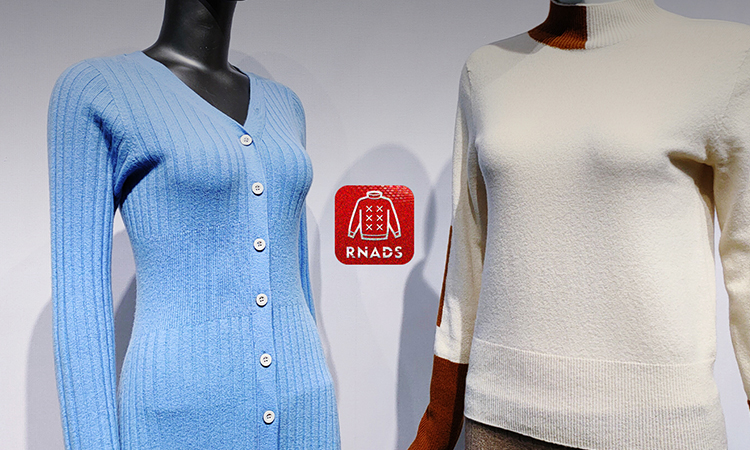
全成型无缝针织由一根或数跟纱线,用针织横机一次性编织出整件毛衫产品,整体线条优美、流畅,上身更柔软、舒适、轻盈

raglan sleeve
Polo.

The system supports a great variety of styles and keeps pace with the fashion trend of whole garment knitting.
The system provides a variety of modules and reduces the threshold of whole garment plate making.

The system offers plate making of double-needle-bed and four-needle-bed machines for richer whole garment patterns.
The system supports plate making for a number of models (such as auto run and rake) to help user make more whole garment patterns.
If no model is available, the user can create their own model in the system.


系统支持多种花型文件转换,直接上机
In the vast ocean of Islamic nasheeds (Islamic vocal music), few songs have transcended language barriers to become a universal call of love and longing. One such masterpiece is the Qasida (poem) "Ummati Qad Laha Fajrun" — often translated as "My Ummah, Its Dawn Has Appeared."
For millions of Muslims worldwide, searching for the is not just about downloading a track; it is about seeking a spiritual experience. This article delves deep into the origins, meaning, global impact, and the best ways to access high-quality MP3 versions of this iconic nasheed. The Origin and Historical Context The poem "Ummati Qad Laha Fajrun" is attributed to the famous 13th-century Egyptian poet and mystic, Imam Al-Busiri (1211–1294 CE). Imam Al-Busiri is most renowned for his Qasida al-Burda (The Poem of the Mantle), which is recited worldwide. "Ummati Qad Laha Fajrun" is believed to be a fragment or a separate composition that echoes the same themes of hope, sorrow, and unwavering love for Prophet Muhammad (PBUH).
As the world grows darker with global crises, the search for this nasheed increases. It serves as a musical Fajr — a reminder that no matter how long the night, the dawn of mercy and guidance is always near. Have you downloaded your high-quality MP3 version yet? Start your morning tomorrow with "Ummati Qad Laha Fajrun" and feel the difference in your spiritual energy. Share this article with a friend who needs a spiritual boost. Disclaimer: This article is for informational and spiritual enrichment purposes. Please support official artists and reciters where possible.
 400-0898-188

Raynen

Raynen Intelligence Control


