Siti Hajar Cewek Jilbab Di Entot Dukun -

The narrative surrounding Siti Hajar highlights the complex interplay between culture, spirituality, and power dynamics. In many traditional Indonesian communities, dukuns are revered for their spiritual authority and knowledge. However, this authority can sometimes be misused, leading to exploitation and abuse.

Dukuns have been an integral part of Indonesian culture for centuries, providing spiritual and emotional support to their communities. These traditional leaders often possess in-depth knowledge of local customs, rituals, and spiritual practices. While some dukuns may claim to possess supernatural abilities, their primary role is to serve as mediators between the spiritual and physical worlds.

The story of Siti Hajar and her association with a dukun serves as a catalyst for exploring cultural and social phenomena in Indonesia. By examining this narrative, we can gain a deeper understanding of the complex interplay between culture, spirituality, and power dynamics. As we navigate our increasingly interconnected world, it's essential to approach such topics with empathy, respect, and critical thinking. Siti Hajar Cewek Jilbab Di Entot Dukun

Siti Hajar is an Indonesian woman whose story has been widely discussed and debated in various circles. While there may be different accounts of her life, it is essential to approach this topic with sensitivity and respect. According to available information, Siti Hajar is a young woman who became involved with a dukun, a traditional spiritual leader in Indonesian culture. Dukuns often provide guidance, spiritual healing, and counseling to their followers.

In today's diverse and interconnected world, it's essential to explore and comprehend various cultural and social phenomena that shape our communities. One such phenomenon is the story of Siti Hajar, a young woman who gained significant attention due to her association with a dukun (a traditional Indonesian spiritual leader). This article aims to provide an in-depth examination of the narrative surrounding Siti Hajar, often referred to as "Cewek Jilbab Di Entot Dukun," and its implications on our understanding of cultural practices, spirituality, and social dynamics. The narrative surrounding Siti Hajar highlights the complex

In today's digital age, it's crucial to approach online information with a critical eye. The story of Siti Hajar serves as a reminder of the need for media literacy and critical thinking. When engaging with online content, it's essential to consider multiple sources, evaluate the credibility of information, and be aware of potential biases.

In Indonesia, a country with the world's largest Muslim population, the jilbab (a headscarf worn by many Muslim women) holds significant cultural and spiritual importance. For many women, wearing the jilbab is a symbol of faith, modesty, and identity. Siti Hajar, as a woman who wears the jilbab, represents a demographic that is often seeking spiritual guidance and support. Dukuns have been an integral part of Indonesian

The story of Siti Hajar and her association with the dukun has sparked controversy and debate. Some individuals have raised concerns about the power dynamics at play, questioning whether Siti Hajar's involvement with the dukun was consensual or coercive. Others have criticized the dukun's actions, suggesting that they may have exploited Siti Hajar's trust.


The narrative surrounding Siti Hajar highlights the complex interplay between culture, spirituality, and power dynamics. In many traditional Indonesian communities, dukuns are revered for their spiritual authority and knowledge. However, this authority can sometimes be misused, leading to exploitation and abuse.

Dukuns have been an integral part of Indonesian culture for centuries, providing spiritual and emotional support to their communities. These traditional leaders often possess in-depth knowledge of local customs, rituals, and spiritual practices. While some dukuns may claim to possess supernatural abilities, their primary role is to serve as mediators between the spiritual and physical worlds.

The story of Siti Hajar and her association with a dukun serves as a catalyst for exploring cultural and social phenomena in Indonesia. By examining this narrative, we can gain a deeper understanding of the complex interplay between culture, spirituality, and power dynamics. As we navigate our increasingly interconnected world, it's essential to approach such topics with empathy, respect, and critical thinking.

Siti Hajar is an Indonesian woman whose story has been widely discussed and debated in various circles. While there may be different accounts of her life, it is essential to approach this topic with sensitivity and respect. According to available information, Siti Hajar is a young woman who became involved with a dukun, a traditional spiritual leader in Indonesian culture. Dukuns often provide guidance, spiritual healing, and counseling to their followers.

In today's diverse and interconnected world, it's essential to explore and comprehend various cultural and social phenomena that shape our communities. One such phenomenon is the story of Siti Hajar, a young woman who gained significant attention due to her association with a dukun (a traditional Indonesian spiritual leader). This article aims to provide an in-depth examination of the narrative surrounding Siti Hajar, often referred to as "Cewek Jilbab Di Entot Dukun," and its implications on our understanding of cultural practices, spirituality, and social dynamics.

In today's digital age, it's crucial to approach online information with a critical eye. The story of Siti Hajar serves as a reminder of the need for media literacy and critical thinking. When engaging with online content, it's essential to consider multiple sources, evaluate the credibility of information, and be aware of potential biases.

In Indonesia, a country with the world's largest Muslim population, the jilbab (a headscarf worn by many Muslim women) holds significant cultural and spiritual importance. For many women, wearing the jilbab is a symbol of faith, modesty, and identity. Siti Hajar, as a woman who wears the jilbab, represents a demographic that is often seeking spiritual guidance and support.

The story of Siti Hajar and her association with the dukun has sparked controversy and debate. Some individuals have raised concerns about the power dynamics at play, questioning whether Siti Hajar's involvement with the dukun was consensual or coercive. Others have criticized the dukun's actions, suggesting that they may have exploited Siti Hajar's trust.

ようこそ
BIOHAZARD PORTALへ!

「バイオハザード ポータル」とは、バイオハザードの最新情報はもちろん、バイオハザードファンもまだそうでない方でも楽しめるさまざまなコンテンツや、世界中のバイオハザードプレイヤーのデータなどをお届けする「バイオハザード」のブランドサイトです。
CAPCOM IDでログインして全てのコンテンツを楽しもう! 今すぐ登録!

BIOHAZARD PORTAL

サイト統合、認証システム変更について

本サイトは、BIOHAZARDシリーズ公式サイト、BIOHAZARD CLUB96、 BIOHAZARD AMBASSADOR PROGRAM、
RESIDENT EVIL.NET、RESIDENT EVIL PORTALのサイトを統合しております。

本サイトについて

通信エラーが発生しました (エラーコード: UAP0001)

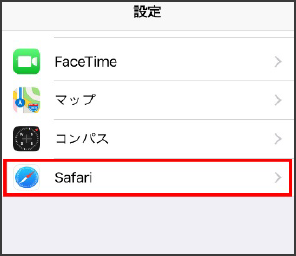
Safariをご利用の方へ
ご利用のブラウザがSafariの場合、"バイオハザードアンバサダープログラム"が
正常に動作しない可能性があります。
その際は、以下のいずれかの方法にてご利用願います。