Unlike the feudal overtones of Hindi cinema or the hyper-masculine fan clubs of Tamil and Telugu cinema, Malayalam cinema grew up in an atmosphere of intellectual skepticism. The audience in Kerala is famously literate and politically aware. A 70-year-old fisherman in Alappuzha might be reading the daily newspaper about the Gaza conflict before watching a film; a schoolteacher in Kasargod likely has read Kafka. This audience demands realism.
The culture is moving toward . Movies about necrophilia ( Biriyani ), erectile dysfunction ( Great Indian Kitchen ), and queer love ( Kaathal – The Core —staring Mammootty as a closeted gay man) are being made by mainstream stars. This would have been unthinkable a decade ago. Conclusion Malayalam cinema is not an escape from reality; it is a confrontation with it. To watch a Malayalam film is to sit in on Kerala’s never-ending public debate about communism, religion, family, sex, and death. It is angry, melancholic, hilarious, and brutally honest.
Kerala is a land of temples, mosques, and churches, but also of atheism. Films like Ee.Ma.Yau. (2018) by Lijo Jose Pellissery is a surrealist masterpiece about a poor man trying to give his father a decent Christian burial during a monsoon. It is a scathing, hilarious, and heartbreaking critique of church politics, poverty, and the ritualization of death. It showcases a culture where faith is present, but skepticism is even stronger.
Consequently, the "hero" of Malayalam cinema has rarely been the invincible superman. From the golden age of Prem Nazir (the man who once played 130 roles in a single film) to the modern era of Fahadh Faasil , the protagonist has historically been the common man —the frustrated clerk, the alcoholic landlord in decline, the struggling migrant, the sharp-tongued but moral pragmatist. The partition of the industry into "commercial" and "art" cinema is often a false dichotomy, but in the 1970s, Malayalam cinema produced the "New Wave" —a movement driven by writers like M. T. Vasudevan Nair and Padmarajan, and directors like Adoor Gopalakrishnan and G. Aravindan.
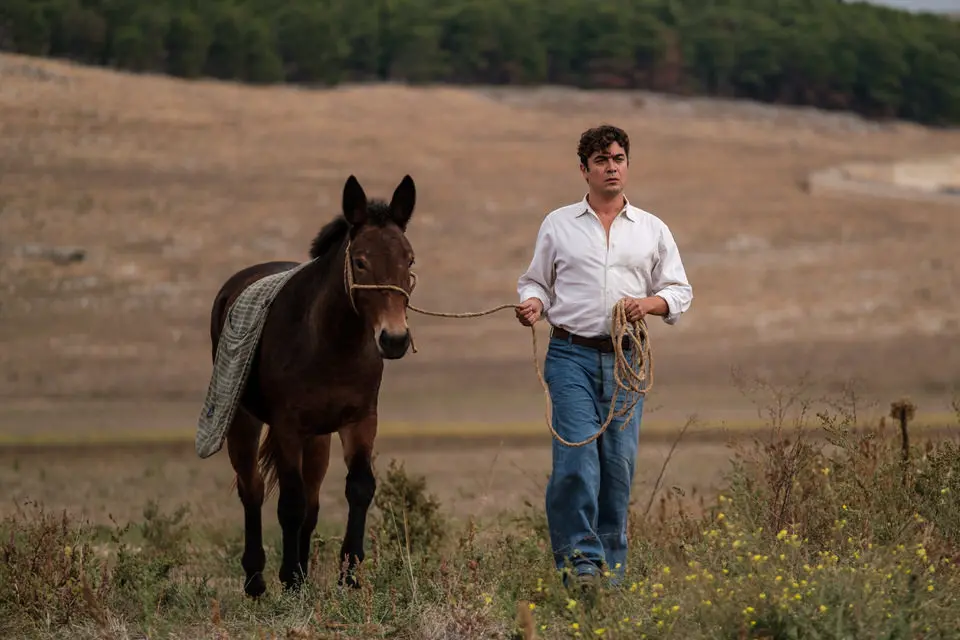
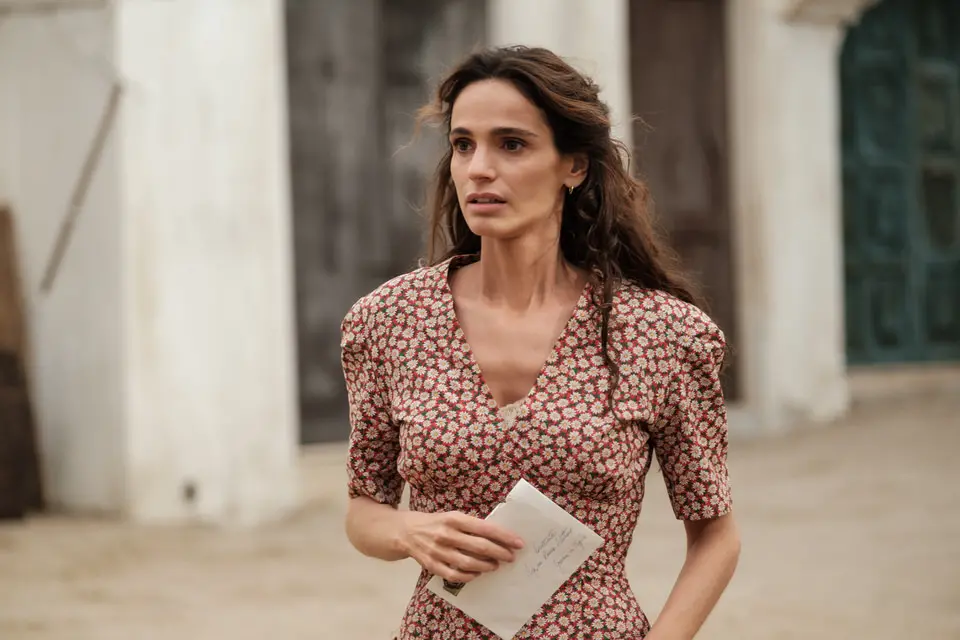
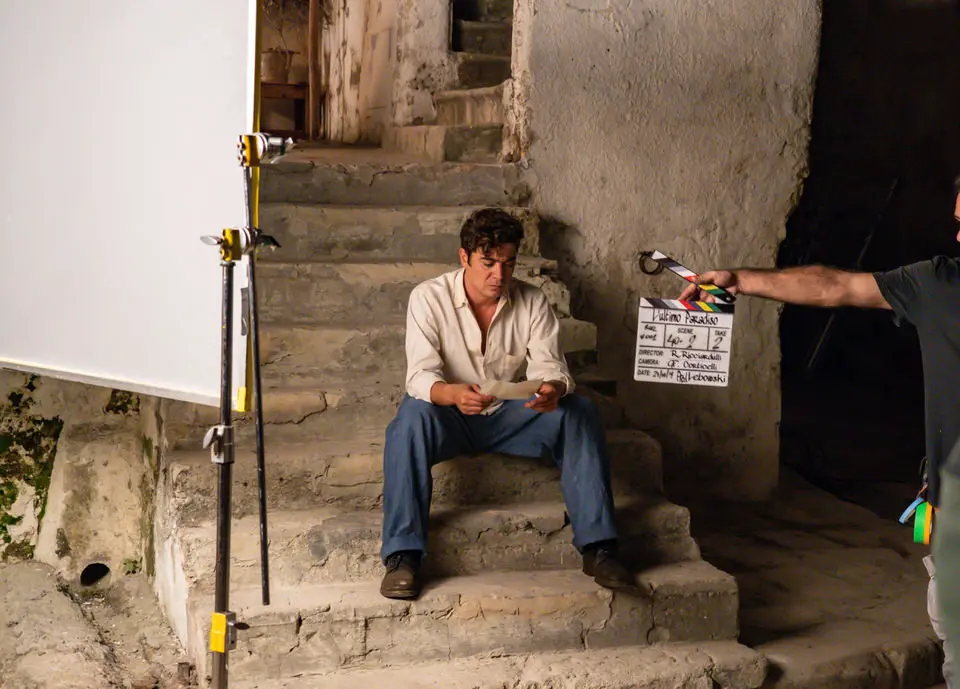
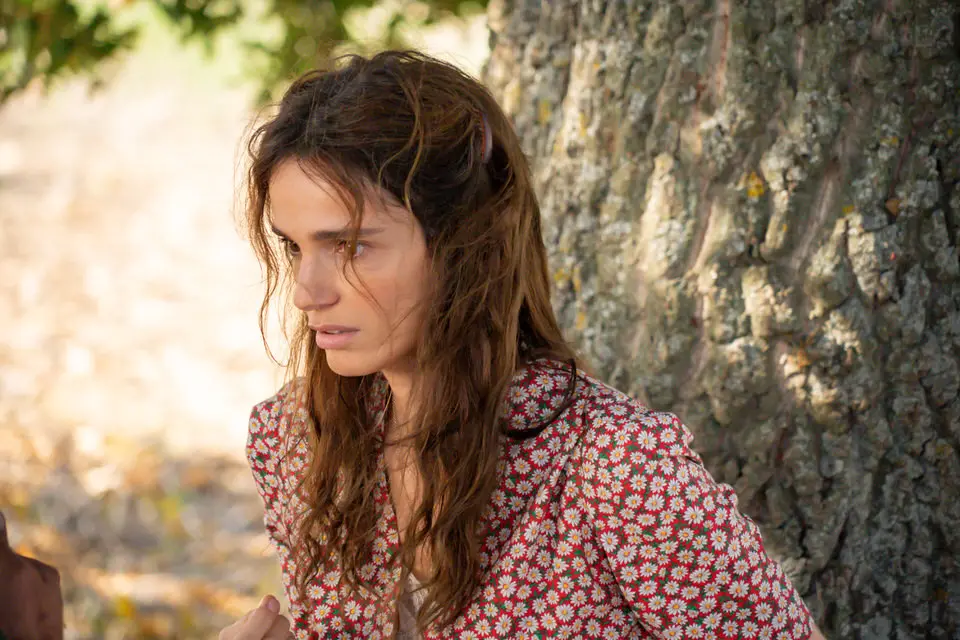
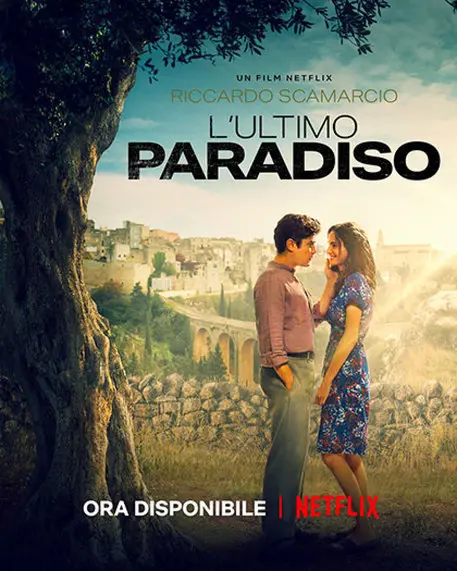
The director Rocco Ricciardulli, from Bernalda, shot his second film, L’ultimo Paradiso between October and December 2019, several dozen kilometres from his childhood home in the Murgia countryside on the border of the Apulia and Basilicata regions. The beautiful, albeit dry and arid landscape frames a story inspired by real-life events relating to the gangmaster scourge of Italy’s martyred lands. It is set in the late 1950’s, an era when certain ancestral practices of aristocratic landowners, archaic professions and a rigid division of work, owners and farmhands, oppressors and oppressed still exist and the economic boom is still far away, in time and space.
The borgo of Gravina in Puglia, where time seems to stand still, is perched at a height of 400m on a limestone deposit part of the fossa bradanica in the heart of the Parco nazionale dell’Alta Murgia. The film immortalizes the town’s alleyways, ancient residences and evocative aqueduct bridging the Gravina river. The surrounding wild nature, including olive trees, Mediterranean maquis and hectares of farm land, provides the typical colours and light of these latitudes. Just outside the residential centre, on the slopes of the Botromagno hill, which gives its name to the largest archaeological area in Apulia, is the Parco naturalistico di Capotenda, whose nature is so pristine and untouched that it provided a perfect natural backdrop for a late 1950s setting.
The alternative to oppression is departure: a choice made by Antonio whom we first meet in Trieste at the foot of the fountain of the Four Continents whose Baroque appearance decorates the majestic piazza Unità d’Italia.
The director Rocco Ricciardulli, from Bernalda, shot his second film, L’ultimo Paradiso between October and December 2019, several dozen kilometres from his childhood home in the Murgia countryside on the border of the Apulia and Basilicata regions. The beautiful, albeit dry and arid landscape frames a story inspired by real-life events relating to the gangmaster scourge of Italy’s martyred lands. It is set in the late 1950’s, an era when certain ancestral practices of aristocratic landowners, archaic professions and a rigid division of work, owners and farmhands, oppressors and oppressed still exist and the economic boom is still far away, in time and space.
The borgo of Gravina in Puglia, where time seems to stand still, is perched at a height of 400m on a limestone deposit part of the fossa bradanica in the heart of the Parco nazionale dell’Alta Murgia. The film immortalizes the town’s alleyways, ancient residences and evocative aqueduct bridging the Gravina river. The surrounding wild nature, including olive trees, Mediterranean maquis and hectares of farm land, provides the typical colours and light of these latitudes. Just outside the residential centre, on the slopes of the Botromagno hill, which gives its name to the largest archaeological area in Apulia, is the Parco naturalistico di Capotenda, whose nature is so pristine and untouched that it provided a perfect natural backdrop for a late 1950s setting.
The alternative to oppression is departure: a choice made by Antonio whom we first meet in Trieste at the foot of the fountain of the Four Continents whose Baroque appearance decorates the majestic piazza Unità d’Italia.
Lebowski, Silver Productions
In 1958, Ciccio, a farmer in his forties married to Lucia and the father of a son of 7, is fighting with his fellow workers against those who exploit their work, while secretly in love with Bianca, the daughter of Cumpà Schettino, a feared and untrustworthy landowner.
Unlike the feudal overtones of Hindi cinema or the hyper-masculine fan clubs of Tamil and Telugu cinema, Malayalam cinema grew up in an atmosphere of intellectual skepticism. The audience in Kerala is famously literate and politically aware. A 70-year-old fisherman in Alappuzha might be reading the daily newspaper about the Gaza conflict before watching a film; a schoolteacher in Kasargod likely has read Kafka. This audience demands realism.
The culture is moving toward . Movies about necrophilia ( Biriyani ), erectile dysfunction ( Great Indian Kitchen ), and queer love ( Kaathal – The Core —staring Mammootty as a closeted gay man) are being made by mainstream stars. This would have been unthinkable a decade ago. Conclusion Malayalam cinema is not an escape from reality; it is a confrontation with it. To watch a Malayalam film is to sit in on Kerala’s never-ending public debate about communism, religion, family, sex, and death. It is angry, melancholic, hilarious, and brutally honest.
Kerala is a land of temples, mosques, and churches, but also of atheism. Films like Ee.Ma.Yau. (2018) by Lijo Jose Pellissery is a surrealist masterpiece about a poor man trying to give his father a decent Christian burial during a monsoon. It is a scathing, hilarious, and heartbreaking critique of church politics, poverty, and the ritualization of death. It showcases a culture where faith is present, but skepticism is even stronger.
Consequently, the "hero" of Malayalam cinema has rarely been the invincible superman. From the golden age of Prem Nazir (the man who once played 130 roles in a single film) to the modern era of Fahadh Faasil , the protagonist has historically been the common man —the frustrated clerk, the alcoholic landlord in decline, the struggling migrant, the sharp-tongued but moral pragmatist. The partition of the industry into "commercial" and "art" cinema is often a false dichotomy, but in the 1970s, Malayalam cinema produced the "New Wave" —a movement driven by writers like M. T. Vasudevan Nair and Padmarajan, and directors like Adoor Gopalakrishnan and G. Aravindan.