|
|
 |
 |
 |
 |
 |
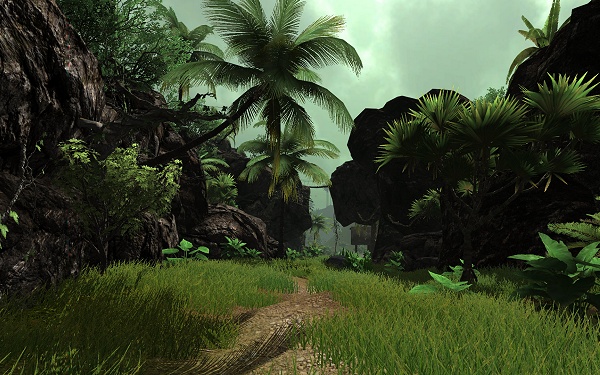
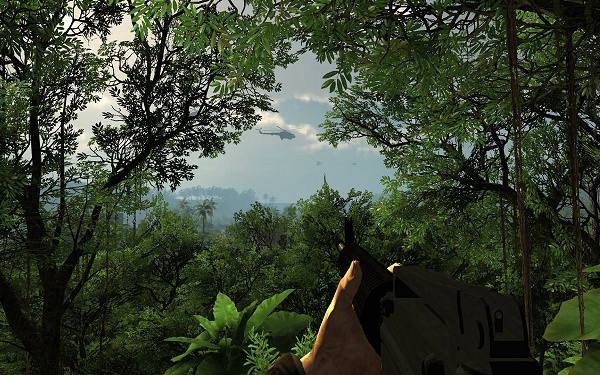
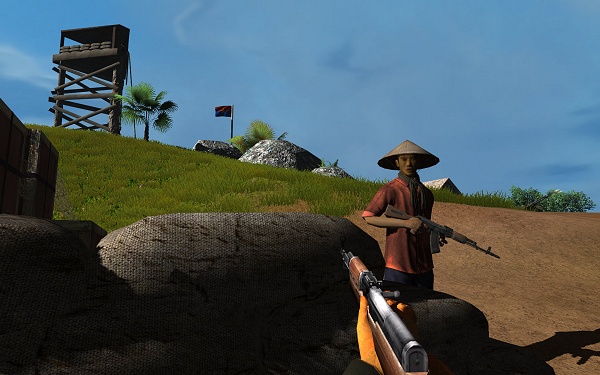
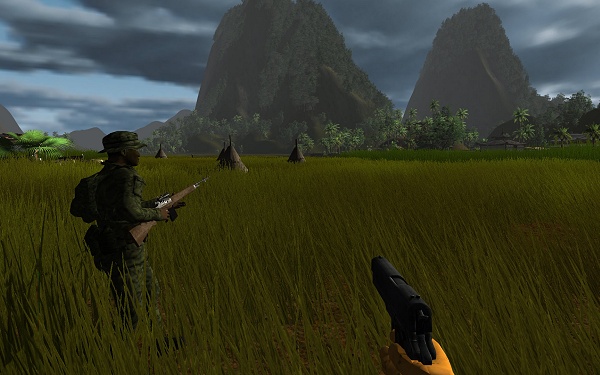
Bilbo Vs — BbcEve of Destruction is a PC game
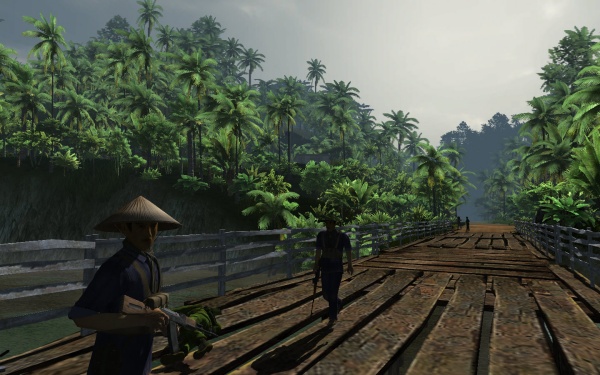
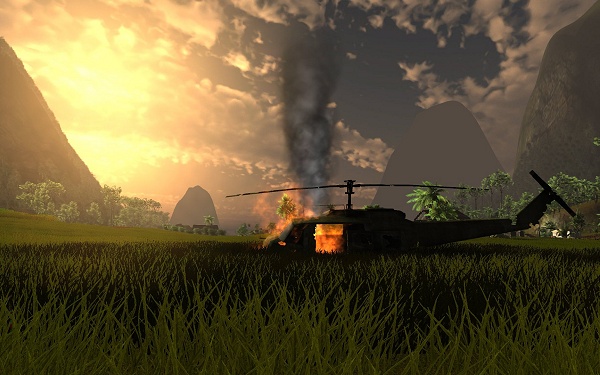
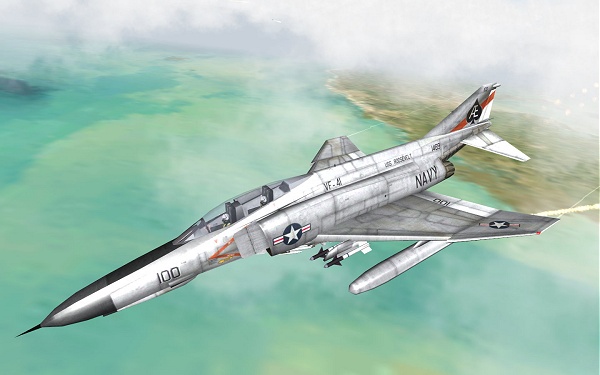
('First-Person-Shooter') about the Vietnam War. Get Eve of Destruction for your PC |
| Eve of
Destruction - Redux VIETNAM Windows 9,90 EUR buy and download on Steam free content: |
Eve of
Destruction - Redux VIETNAM Linux 9,90 EUR buy and download on Steam free content: |
Eve of
Destruction - Redux VIETNAM Mac 9,90 EUR buy and download on Steam free content: |
 |
 |
 |
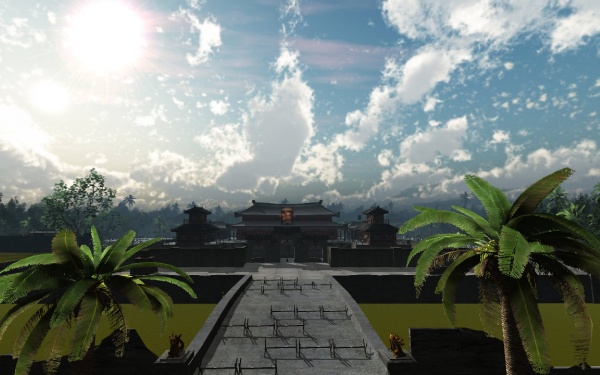
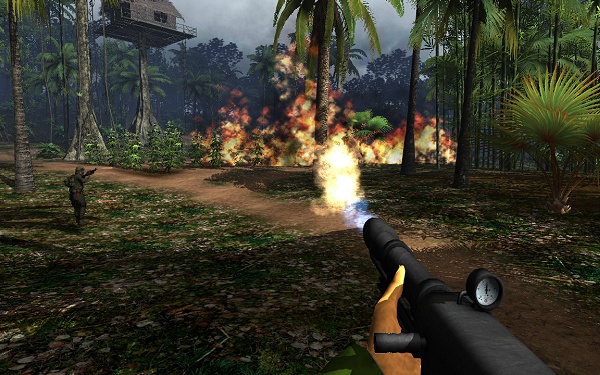
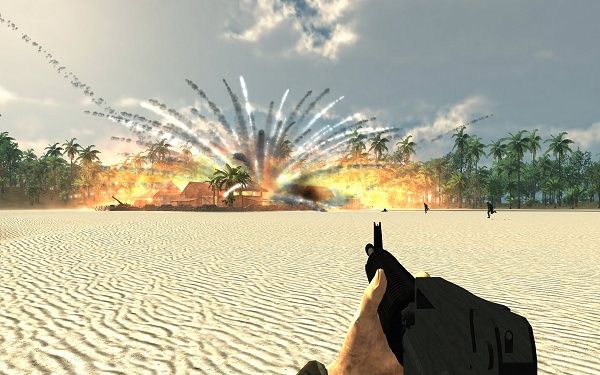
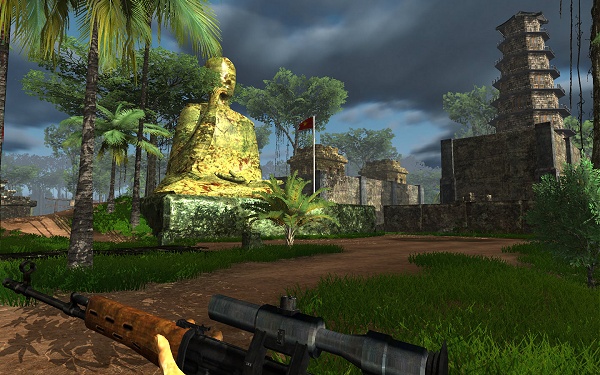
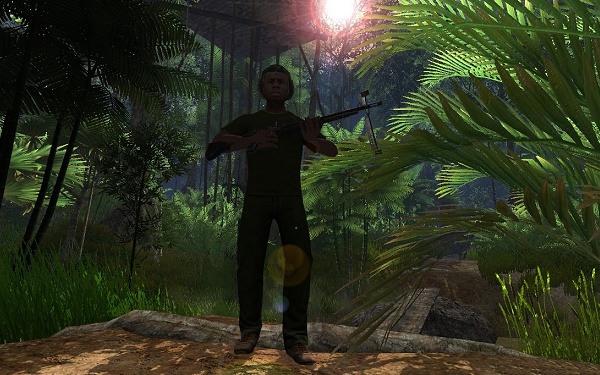
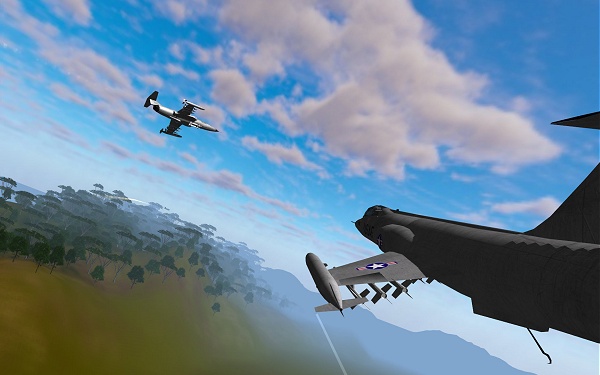
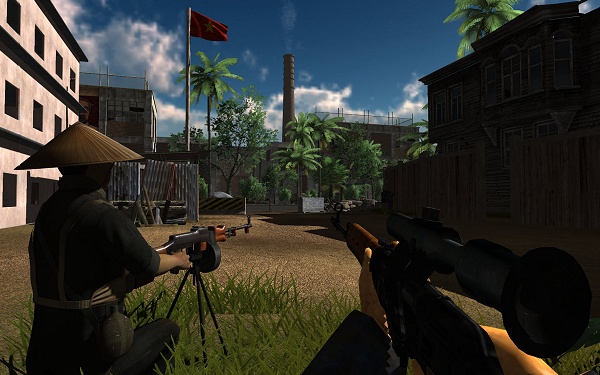
Bilbo Vs — Bbc8 languages in game: 62 maps with different landscapes: 201 different usable vehicles: 68 different handweapons: Singleplayer with 13 different modes: Multiplayer for 2- 128 players |
 |
 |
 |
 |
 |
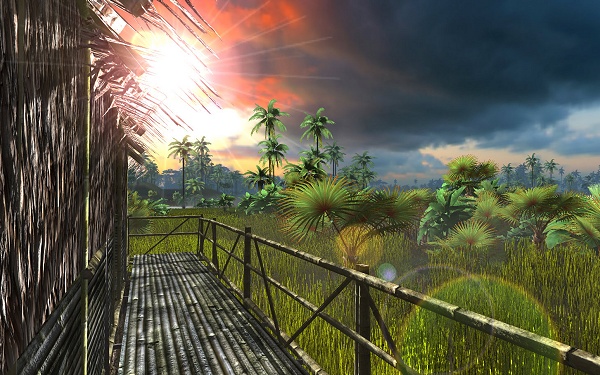 |
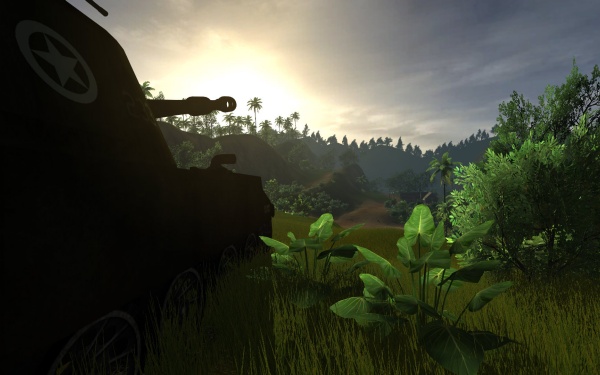
Bilbo Vs — BbcNo other military conflict is comparable to those dramatic years of the 20th century. Most rumors spread about the Indochina and Vietnam War are not honest, even though it was the best documented war in history. No other military conflict was ever so controversial, pointing to an unloved fact: our enemy was not the only source of evil, the evil could be found within ourselves. 'Eve Of Destruction' is a tribute to the Australian, ARVN, U.S., NVA and 'Vietcong' soldiers who fought and died in Vietnam, and also to the Vietnamese people. The game originally has been a free modification for EA/Dice's Battlefield series and was published in 2002. 12 years after it's first release the game was completely rebuilt and received it's own engine based upon Unity 3D game engine and multiplayer on Photon Cloud. |
|
 |
 |
 |
Independent game development
is very time consuming. |
 |
 |
 |
'Eve Of Destruction' is also a song written
by P. F. Sloan.
Barry Mc Guire's version got number 1 in the US Top-Ten 1965.
Bilbo Vs — Bbc |
In the end, the debate surrounding "Bilbo vs. BBC" boils down to subjective opinions on artistic interpretation, adaptation, and fidelity to the source material. While the BBC's adaptation may not have pleased every fan, it undoubtedly introduced Middle-earth and Bilbo Baggins to a new generation of viewers. The controversy has also sparked important discussions about the challenges of adapting literary classics for the screen and the delicate balance between creative freedom and loyalty to the original work.
The tale of "Bilbo vs. BBC" serves as a reminder of the power of storytelling and the lasting impact of iconic characters and institutions. Bilbo Baggins has cemented his place in literary history, inspiring countless adaptations, interpretations, and fan creations. The BBC, as a pioneering broadcaster, continues to shape the media landscape, pushing the boundaries of creative storytelling and innovation.
The controversy began in 2012 when the BBC announced its plans to adapt Tolkien's classic novel, "The Hobbit," into a trilogy of movies. Fans and purists were thrilled at the prospect of seeing Middle-earth come to life on the big screen once again, but their excitement was short-lived. The BBC's decision to produce the films in collaboration with New Line Cinema and Warner Bros. Entertainment sparked concerns about creative liberties, casting choices, and, ultimately, the authenticity of the adaptation. bilbo vs bbc
Moreover, Bilbo's relatability and enduring popularity can be attributed to his ordinariness, making him an accessible and endearing hero. His experiences, struggles, and triumphs serve as a powerful metaphor for the human condition, allowing readers and viewers to connect with him on a deeper level.
Furthermore, the BBC's decision to co-produce the films with major Hollywood studios raised questions about the impact of commercial pressures on artistic integrity. Some argued that the films were tailored to appeal to a broader audience, resulting in a more action-oriented and less nuanced adaptation than fans had hoped for. In the end, the debate surrounding "Bilbo vs
Meanwhile, a different kind of controversy was brewing. Bilbo Baggins, the endearing hobbit protagonist of "The Hobbit," had been gaining popularity among fans and scholars alike. His relatable nature, cleverness, and resourcefulness had made him an unlikely hero, and his character has been subject to various interpretations and analyses. Some argued that Bilbo's portrayal in the BBC's adaptation was inconsistent with Tolkien's original characterization, sparking debates about artistic license and fidelity to the source material.
The story of "Bilbo vs. BBC" offers a valuable lesson in balance. When adapting literary classics, it's essential to strike a balance between creative freedom and loyalty to the original work. By embracing this balance, filmmakers and producers can create adaptations that are both faithful to the source material and innovative in their storytelling. The legacy of Bilbo Baggins and the BBC serves as a testament to the enduring power of storytelling, and the importance of finding that delicate balance. The controversy has also sparked important discussions about
As the media landscape continues to evolve, it's clear that adaptations will remain a vital part of storytelling. The success of franchises like "The Lord of the Rings" and "Game of Thrones" has shown that audiences are hungry for immersive, epic storytelling. However, the "Bilbo vs. BBC" debate serves as a reminder that adapting literary classics requires a deep understanding of the source material, as well as a willingness to take creative risks.